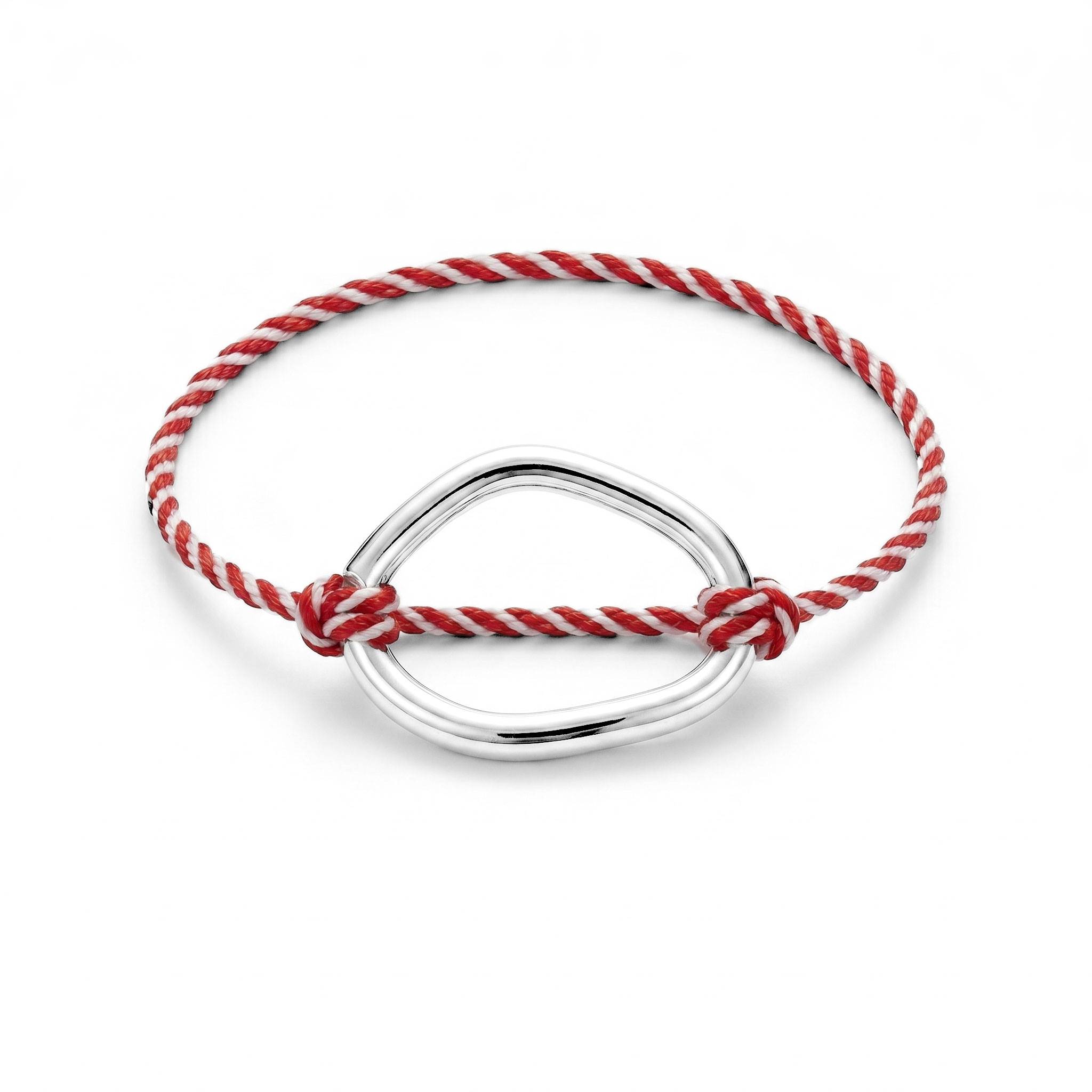
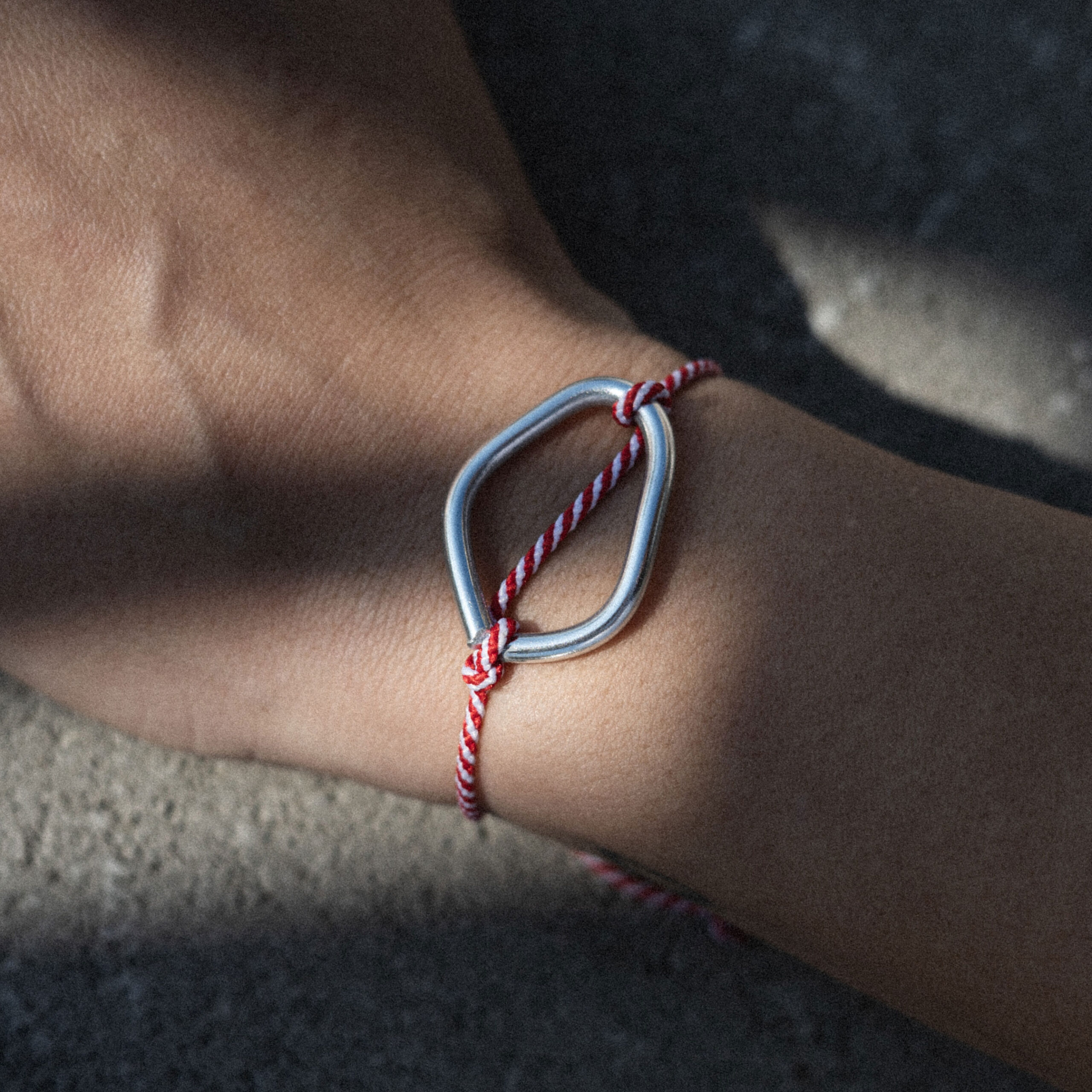
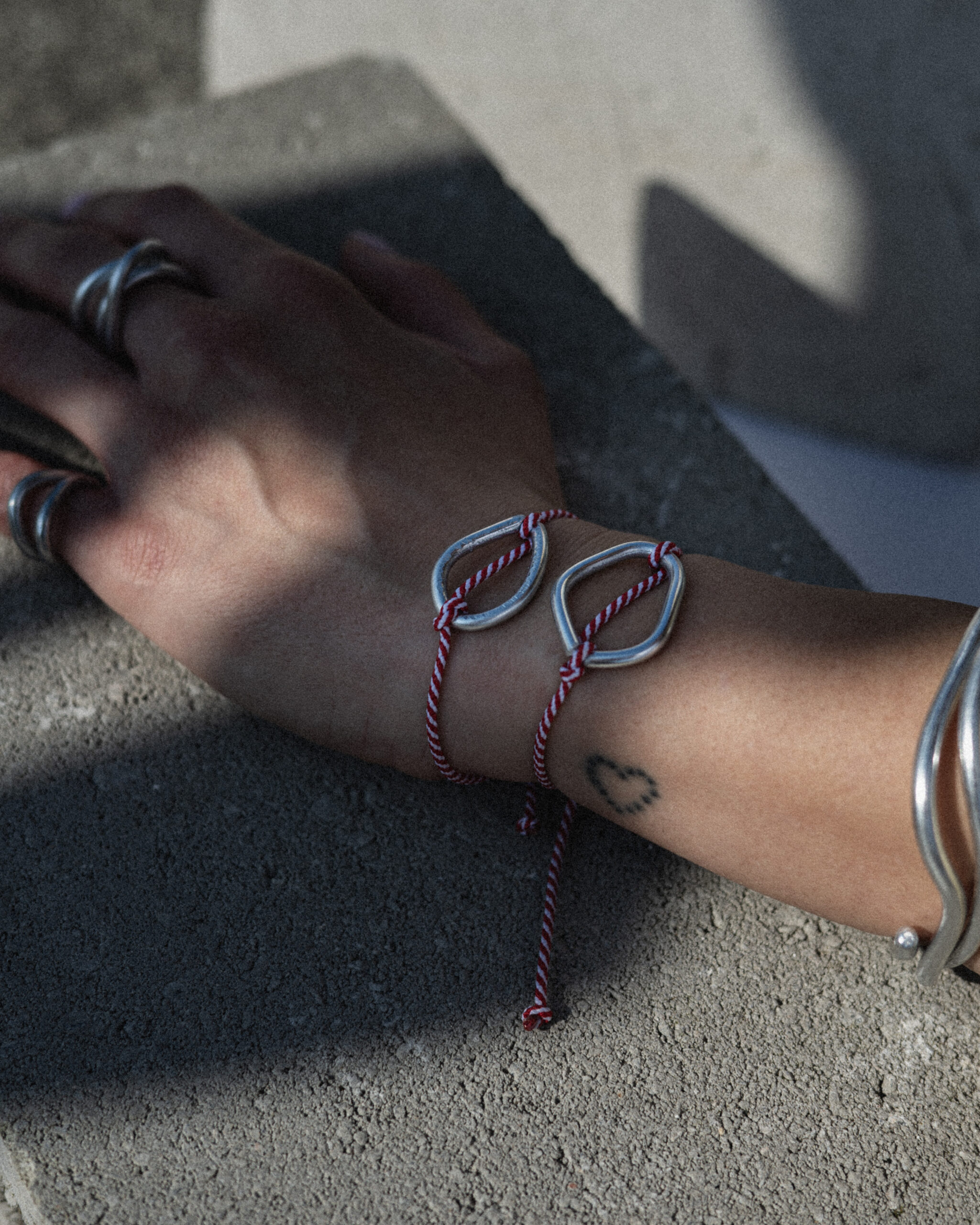
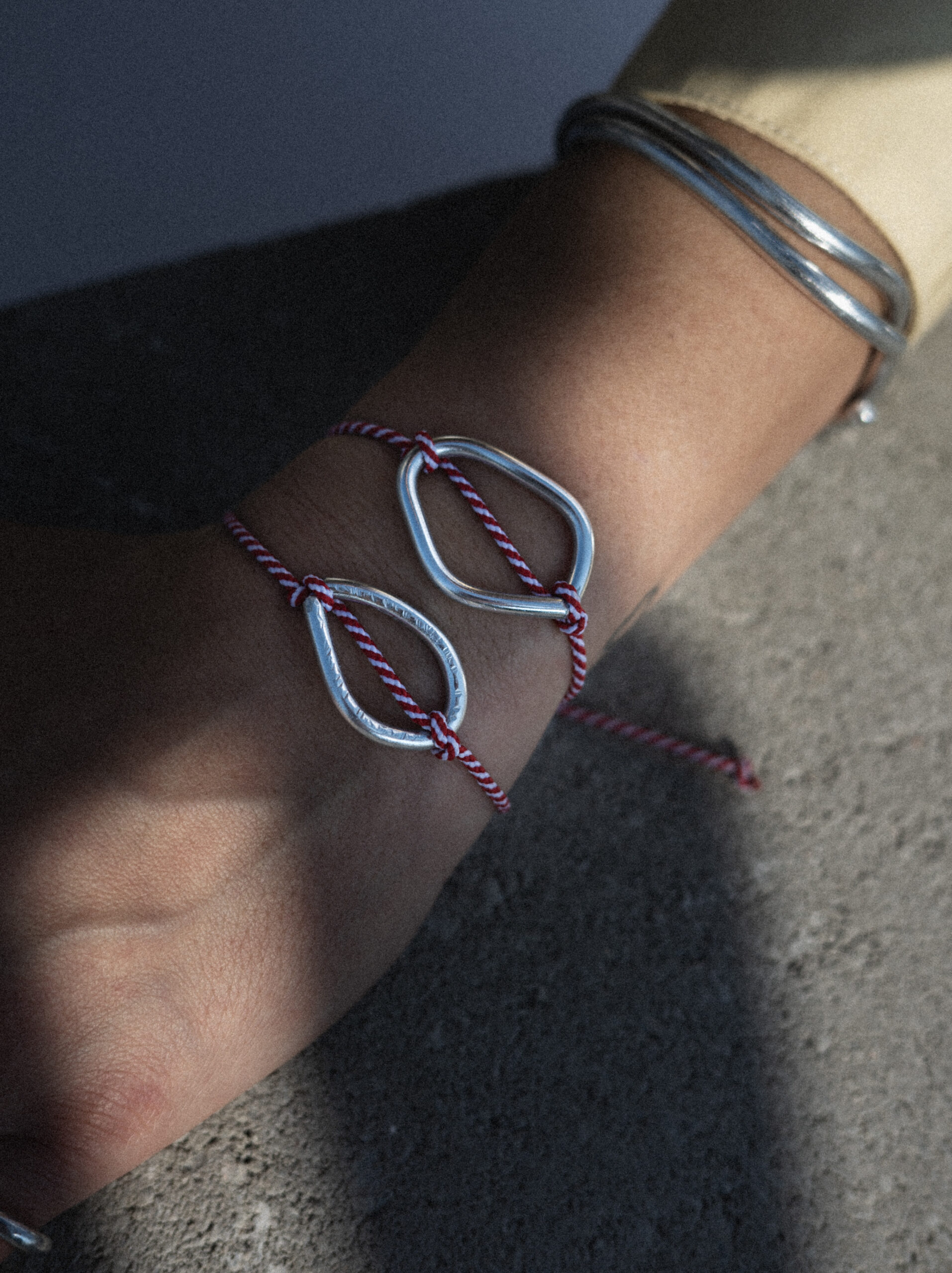
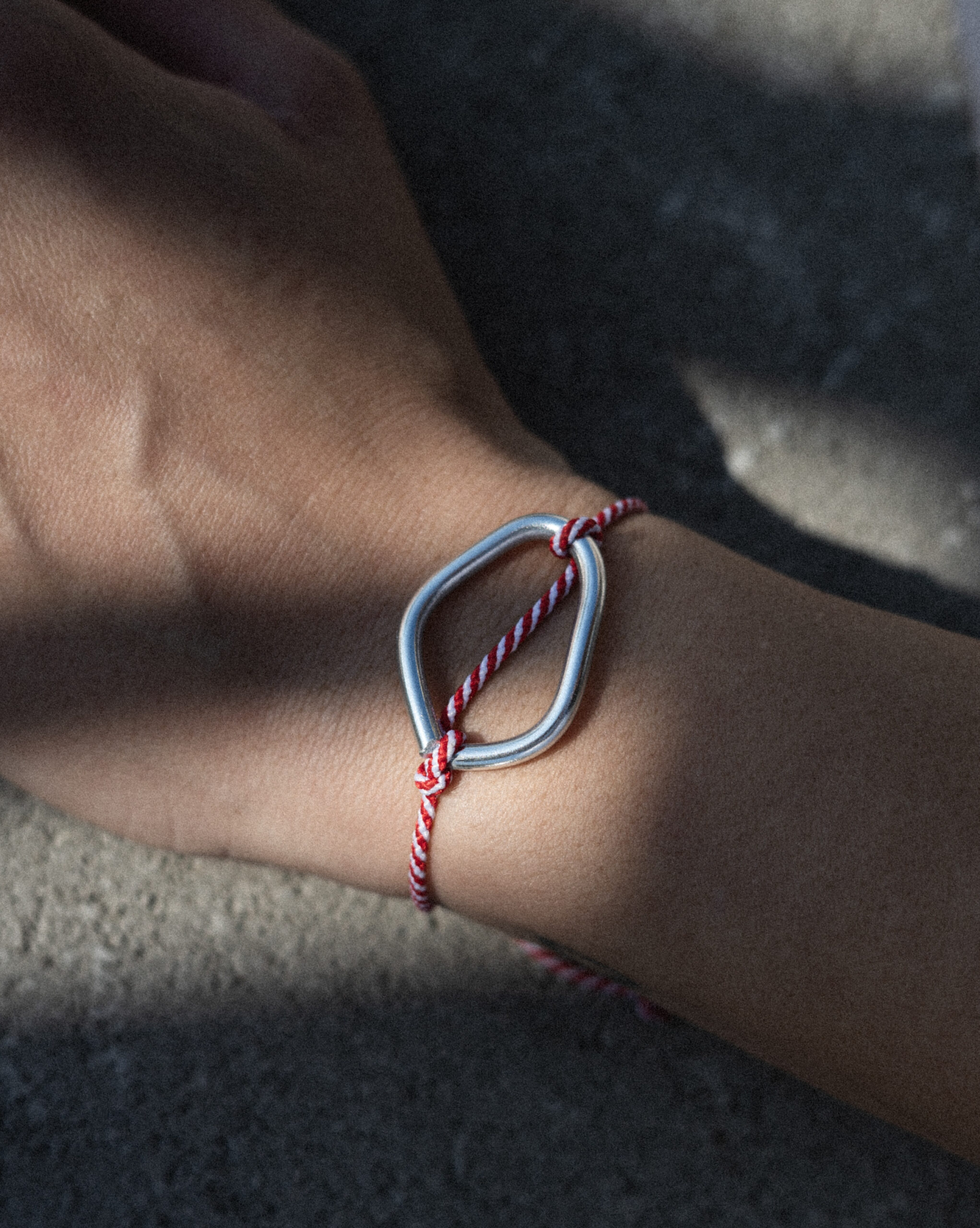
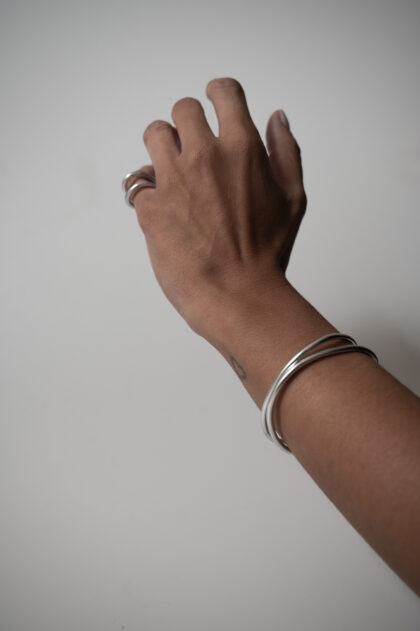
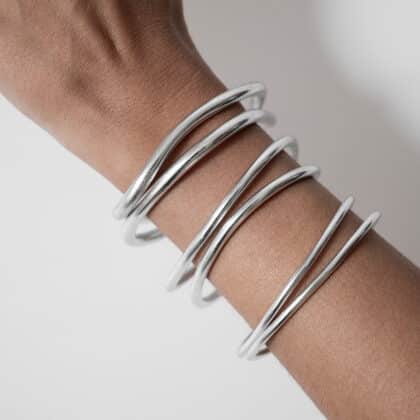
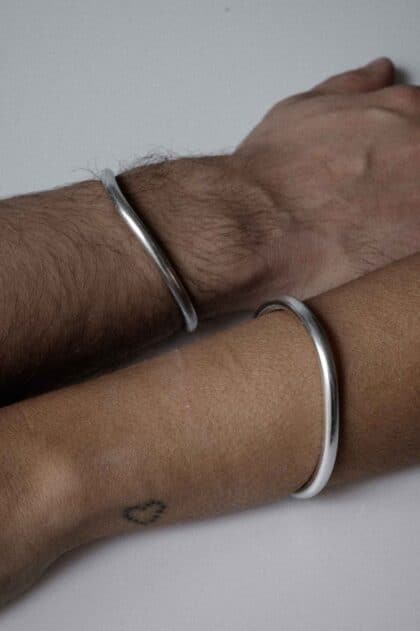
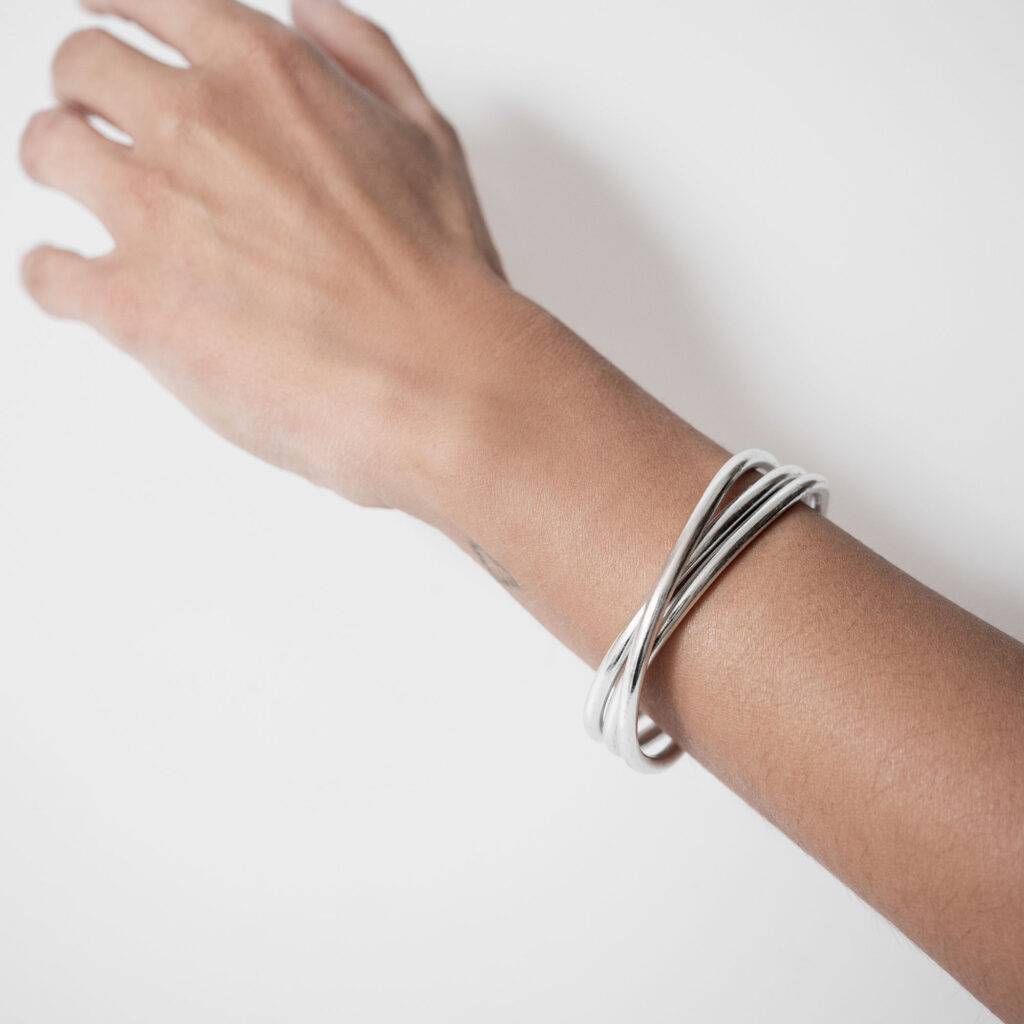
MARTIS | SINGLE | 3mm | Scratches and makes us burn even the wooden fences
18,00 €
Out of stock
Description
The “Martis” (Μάρτης) is one of Greece’s most cherished folk traditions, marking the transition from winter to spring. Here is a breakdown of what it is and why it’s worn:
What is a “Martis”?
The word Martis actually means “March” in Greek. It is a simple bracelet made of intertwined red and white threads.
Traditionally, it is put on the wrist on the morning of March 1st. People of all ages wear it, though it is especially popular with children.
The Symbolism
The colors are not random; they carry specific meanings:
White: Symbolizes purity and the fading winter snow.
Red: Symbolizes life, health, and the blooming spring.
The “Sunburn” Legend
The primary reason people wear the Martis is rooted in an ancient superstition. It was believed that the bracelet would protect the wearer’s skin from the first strong sun of the spring, preventing them from getting “burnt” or tanned before the summer.
When do you take it off?
Tradition says you should wear it until the end of March or until the Resurrection (Easter Sunday). However, the “exit strategy” for the bracelet usually involves one of two things:
The Swallows: When you see the first swallow (the bird) returning from the south, you take the bracelet off and leave it on a rosebush or a tree branch. This is so the birds can take the thread and use it to build their nests.
The Easter Candle: Many people wait until the Holy Saturday midnight service and burn the thread in the flame of their Easter candle (labada).
Cultural Roots
This tradition is incredibly old, with roots likely reaching back to the Eleusinian Mysteries of Ancient Greece, where initiates wore a similar thread called the kroke. Today, it remains a beautiful way for Greeks to welcome the spring and stay connected to their heritage.